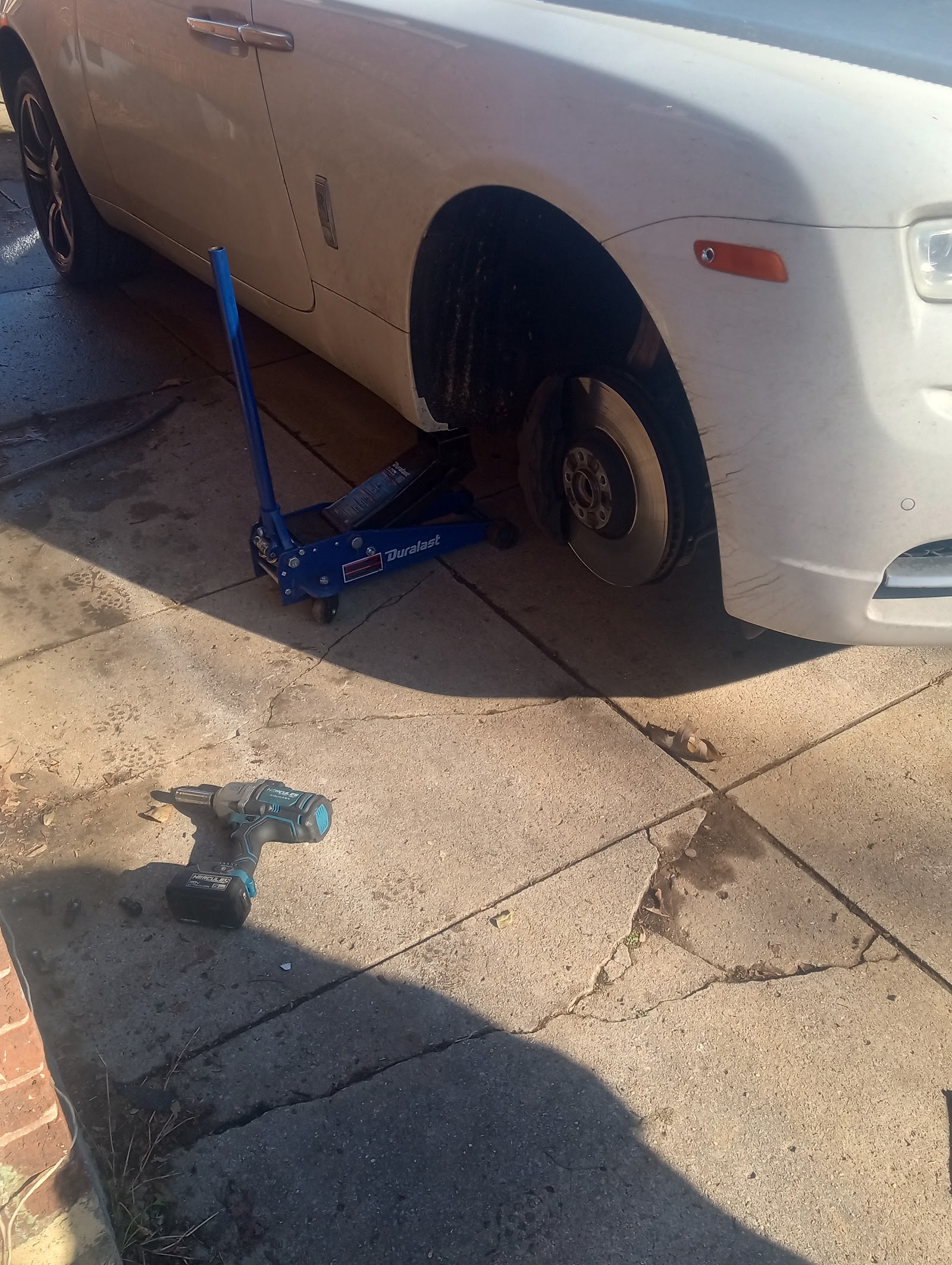
Recognizing signs of wheel damage
Wheel damage often goes unnoticed until it begins to affect the way your vehicle handles on the road. Common indicators include a persistent vibration in the steering wheel while driving or a vehicle that pulls consistently to one side. You may also notice visible bends, cracks, or deep scrapes along the rim edge, which often occur after hitting a pothole or striking a curb. Ignoring these physical signs can lead to uneven tire wear and potential air leaks, making it important to address the issue before it compromises your driving safety.
Beyond the physical bends, look for signs of clear coat peeling or corrosion, which can eventually weaken the structural integrity of the wheel. If you notice your tire pressure dropping frequently without a puncture, the rim itself might be the culprit. Because we come to your location, we can inspect the wheels while they are still on the vehicle or during a tire change. Evaluating the extent of the damage early helps determine whether a repair is viable or if the wheel has reached a point where replacement is the only safe option.
The process of onsite wheel repair
When we arrive at your location, the repair process begins with a thorough cleaning of the wheel surface to identify the full extent of the damage. We use specialized tools to lift the vehicle securely and remove the wheel, allowing us to inspect the inner and outer beads for hairline fractures. Once the damage is mapped, we use precision equipment to straighten bends or smooth out surface abrasions. This work is performed carefully to ensure that the structural balance of the wheel is maintained throughout the entire restoration process.
After the metal is reshaped or smoothed, we prepare the surface to match the original finish of your wheels. This involves meticulous sanding and, if necessary, applying a protective coating that prevents future oxidation. We ensure that the wheel is properly balanced before it is reinstalled on your vehicle. By performing this work at your driveway or workplace, we minimize the inconvenience of leaving your car at a facility, all while ensuring the wheel meets the necessary requirements for safe, daily operation on local roads.
Materials and tools for quality results
Effective wheel repair relies on the right combination of heavy-duty tools and high-quality finishing materials. We utilize hydraulic straightening equipment that provides the force necessary to return a bent rim to its original shape without causing further stress to the metal. This is paired with precision measuring tools that allow us to verify the wheel is perfectly round and true. Using the correct equipment ensures that the repair is not just a cosmetic fix, but a functional one that restores the wheel to its proper geometry.
For surface repairs, we use industrial-grade fillers and primers designed to bond with alloy metals. These materials are chosen for their ability to withstand the heat generated by braking and the environmental conditions found on Memphis streets. Once the surface is leveled, we apply finishes that are color-matched to the rest of your vehicle's wheels. The goal is to provide a seamless result that protects the metal from moisture and road debris, effectively stopping the cycle of corrosion and preventing further degradation of the wheel material over time.
Evaluating repair versus total replacement
Deciding whether to repair or replace a wheel depends on the severity and location of the damage. Minor bends and surface scuffs are often excellent candidates for repair, as they do not compromise the core integrity of the wheel. However, if the damage involves deep cracks in the spokes or significant structural deformation near the lug holes, repair is generally not recommended. In these cases, the metal has been fatigued beyond the point where it can safely support the weight of the vehicle, and replacement becomes necessary for your peace of mind.
When you are considering your options, look at the overall condition of the wheel set. If multiple wheels are damaged, it might be more cost-effective to address them all at once. We prioritize safety above all else; if we determine that a wheel cannot be safely returned to service, we will advise replacement. Our goal is to provide you with a reliable, long-lasting solution that keeps your vehicle rolling smoothly. By examining the damage together on-site, we can walk you through our findings and ensure you understand the reasoning behind our recommendation.
Maintaining your wheels after service
Once your wheels have been repaired, regular maintenance is the best way to ensure they remain in top condition. Keep an eye on your tire pressure, as under-inflated tires provide less cushioning against road hazards like potholes and construction debris. Regularly washing your wheels helps prevent brake dust from building up, which can be acidic and eat away at the protective clear coat over time. By keeping the surface clean and the pressure correct, you extend the life of the repair and maintain the appearance of your wheels.
If you notice any new vibrations or signs of air loss, reach out to us to have the wheels checked again. Routine inspections are a proactive way to catch small issues before they turn into expensive repairs. We are ready to come to your home or office to provide these check-ups whenever you need them. Maintaining your vehicle should be simple and convenient, and we are committed to providing the mobile support you need to keep your car running safely throughout the Memphis area and beyond.